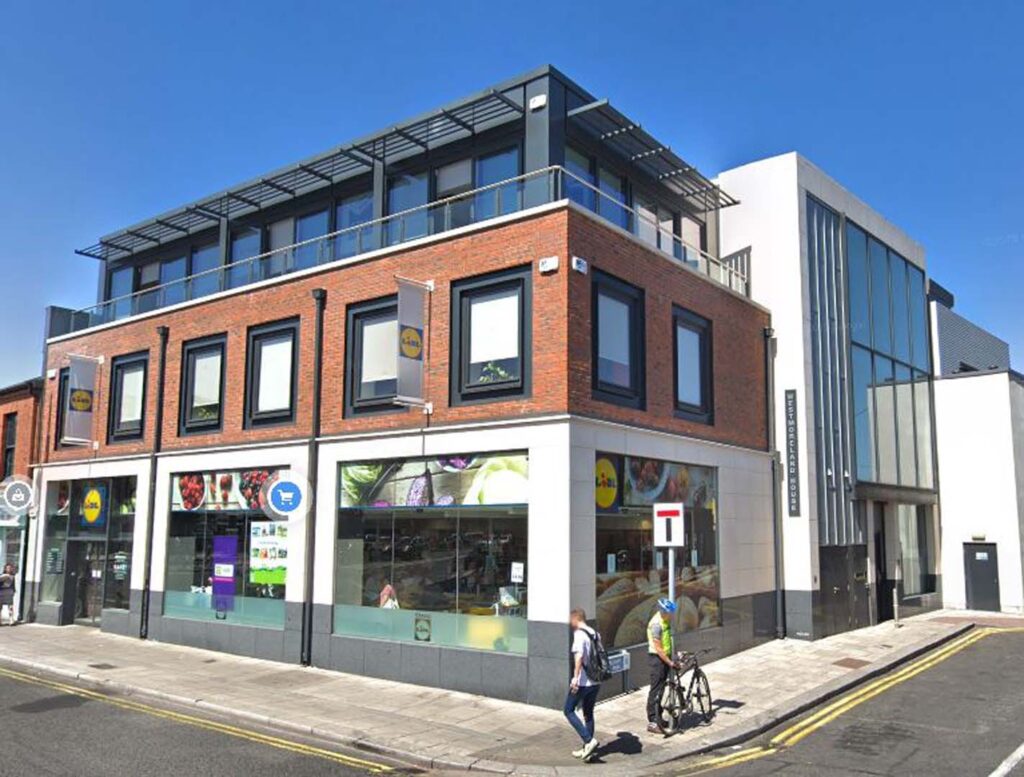
Delaware Statutory Trust sponsors acquiring industrial and commercial assets in the Toledo market are navigating a Midwest economic.
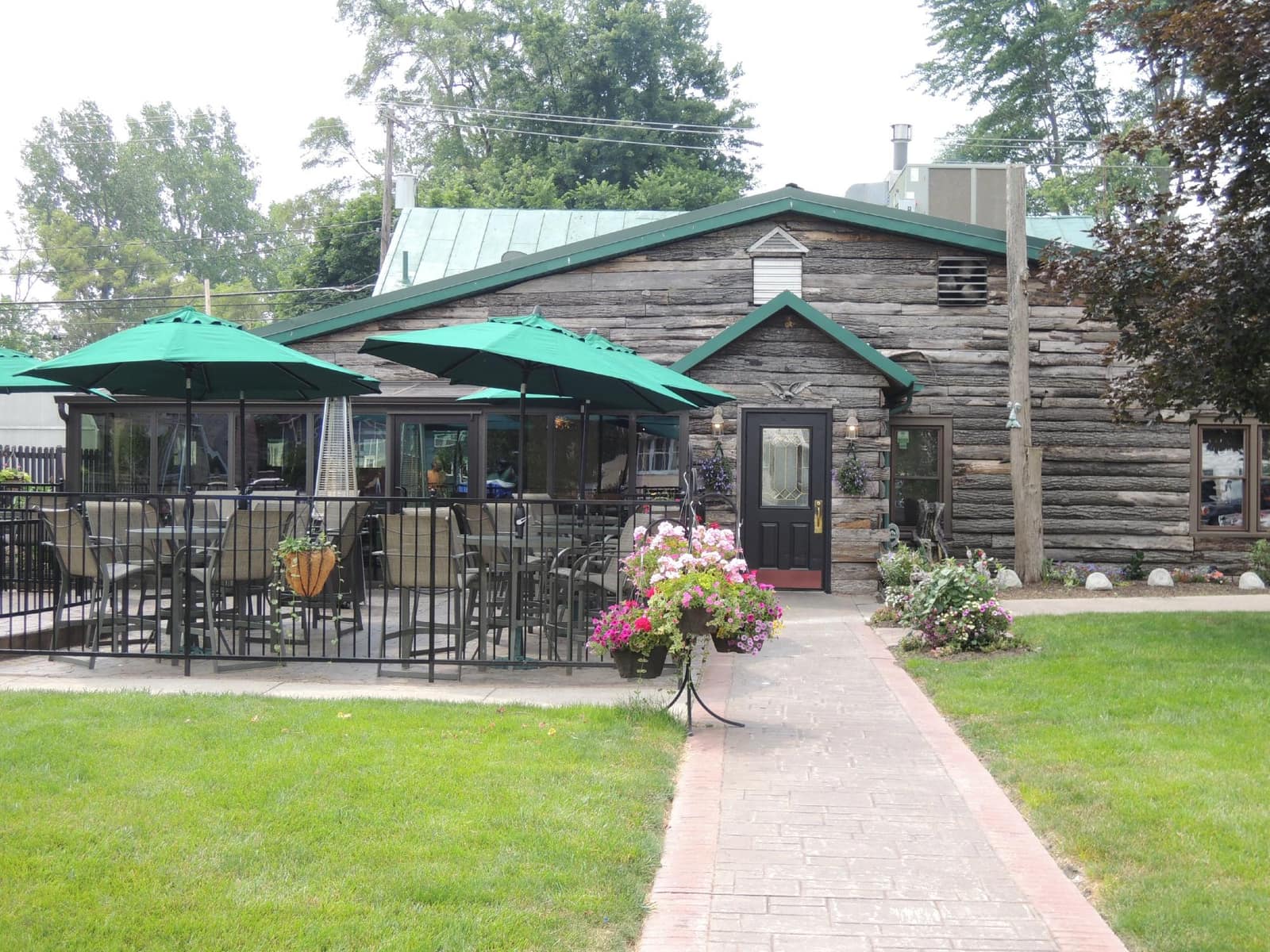
Northwest Ohio's climate delivers a specific set of roofing challenges that sponsors from warmer or drier markets frequently underestimate. Toledo averages significant lake-effect snowfall from Lake Erie, with accumulation events that can deposit heavy, wet snow on flat or low-slope industrial roofs over short periods. Ponded water that freezes at the membrane surface creates ice dams that force water beneath flashings and edge metal, and the freeze-thaw cycling that characterizes Toledo winters from November through March accelerates seam separation and membrane cracking on single-ply systems. A TPO or EPDM roof that passed its last inspection in September can present substantially different conditions by April after a hard Toledo winter - which means that the inspection timing relative to the seasonal calendar matters for a DST due diligence assessment.
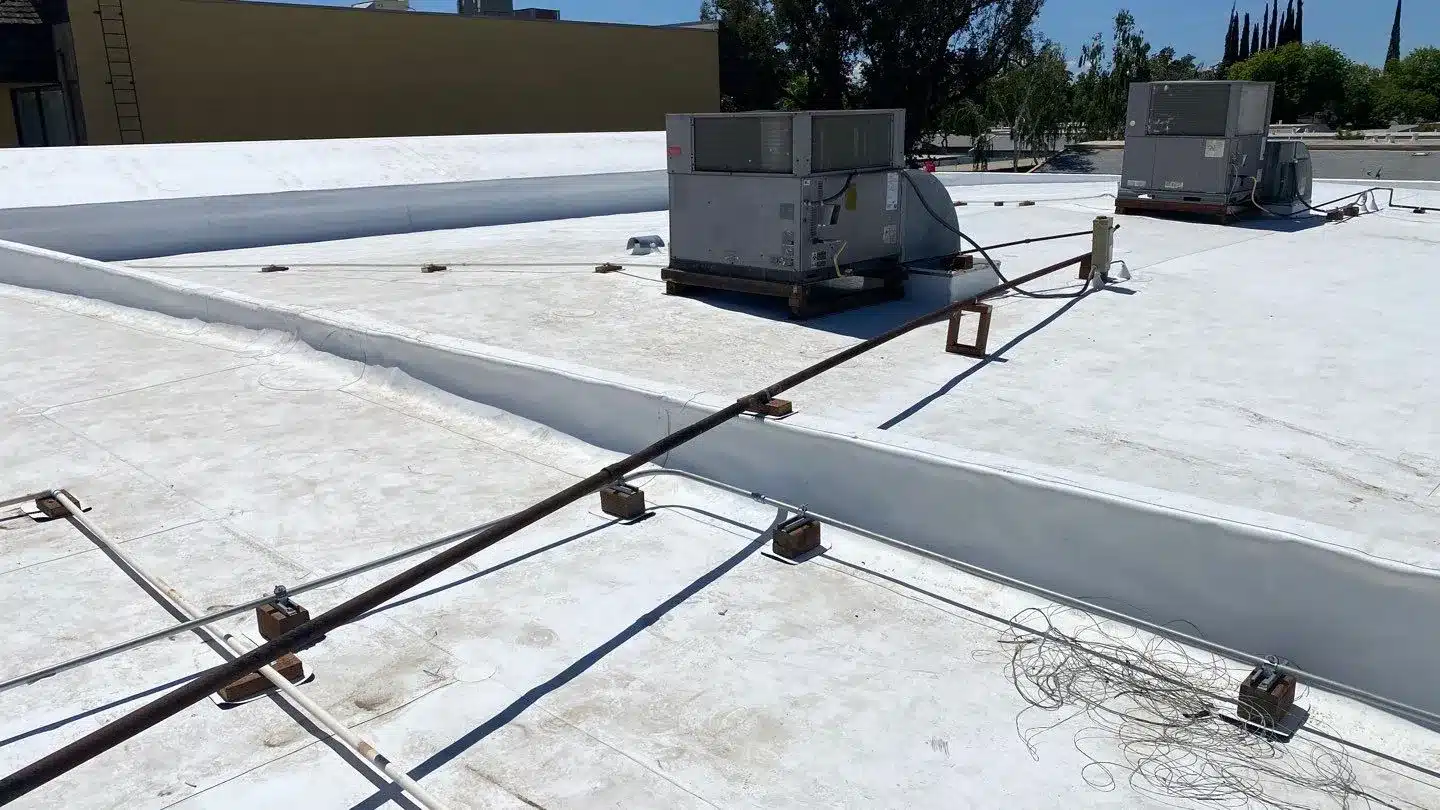
The 1031 exchange identification window creates pressure to move quickly on Toledo acquisitions, but rushing a roof inspection in this climate creates real risk. DST sponsors should build roofing due diligence into their earliest timeline planning, scheduling the inspection as soon as the property enters serious consideration rather than waiting until the purchase agreement is signed. An inspection that reveals significant membrane damage, failed seams, or inadequate drainage capacity under snow load conditions can either prompt a price renegotiation or allow the sponsor to make an informed decision to pass on an asset that would create hold-period problems. Both outcomes are preferable to discovering the issue after the 1031 exchange closes and the beneficial interest holders have committed their equity.
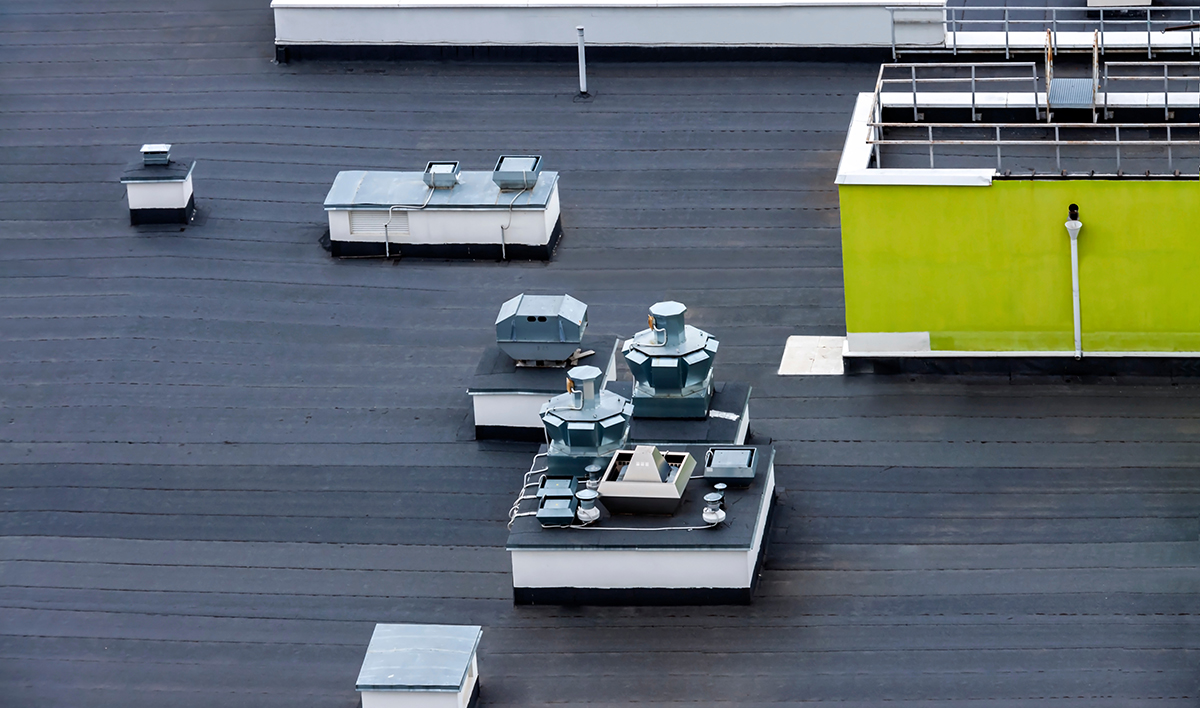
Reserve adequacy in a Toledo DST offering memorandum must account for the cost premium associated with Great Lakes climate roofing work. Winter labor availability, the cost of snow removal before an inspection or repair can proceed, and the shortened outdoor working season all affect the actual cost of maintaining and replacing commercial roof systems in northwest Ohio. A reserve figure derived from national benchmarks - or from a warmer-climate DST deal in the same sponsor's portfolio - will systematically underestimate Toledo's actual costs. The offering memorandum's reserve section should reference local contractor pricing, account for the potential of emergency snow-load response, and factor in the reduced membrane life that Toledo's freeze-thaw cycling imposes on certain single-ply system types.
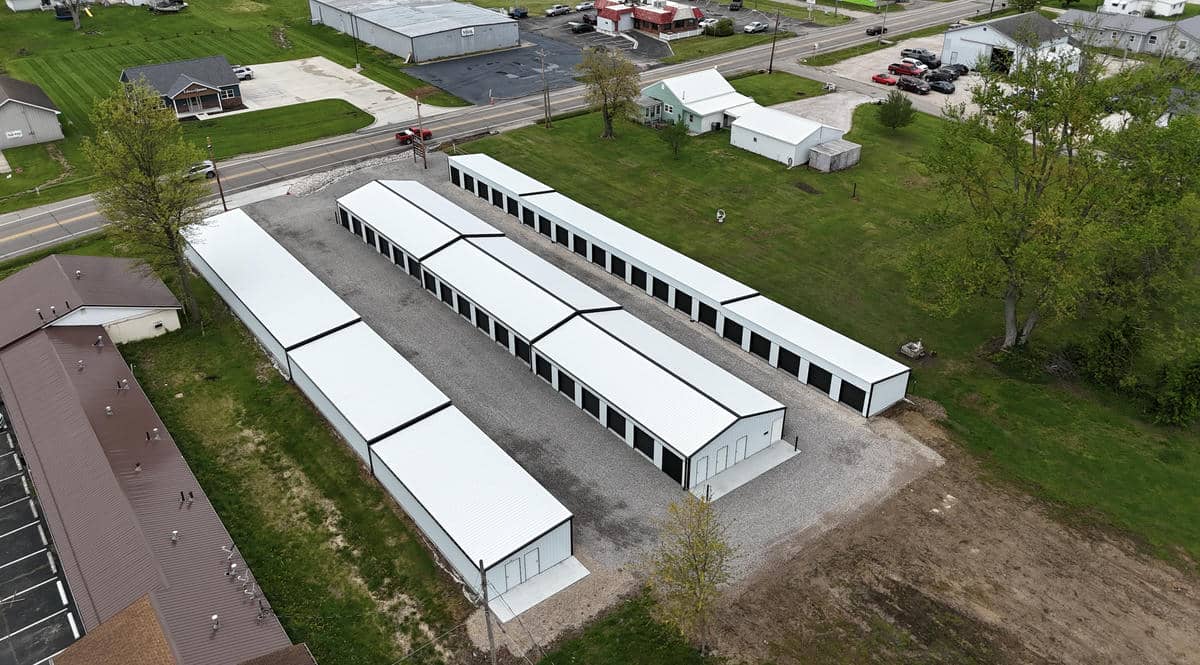
The first useful answer on a commercial real estate and reits project is not a square-foot number. We need to know what the roof protects, how it drains, how it was repaired before, and whether the owner is solving an active leak, a budget problem, or a due-diligence question.
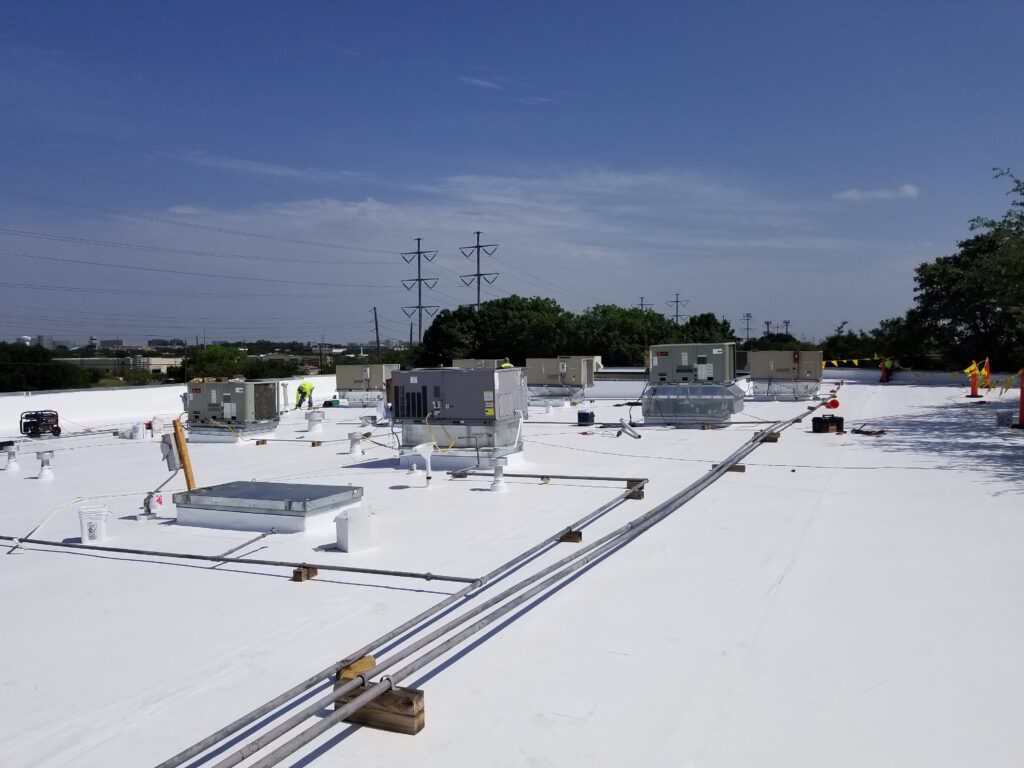
The concentration of industrial and institutional data users in Toledo reflects the city's history as a regional economic hub for manufacturing, energy, and healthcare. These are not hyperscale cloud campuses - they are operational technology environments where the IT infrastructure is deeply integrated with physical production systems, and a roofing failure does not simply create an insurance claim. It can trigger production shutdowns, regulatory reporting obligations, and patient safety concerns that cascade far beyond the immediate property damage.
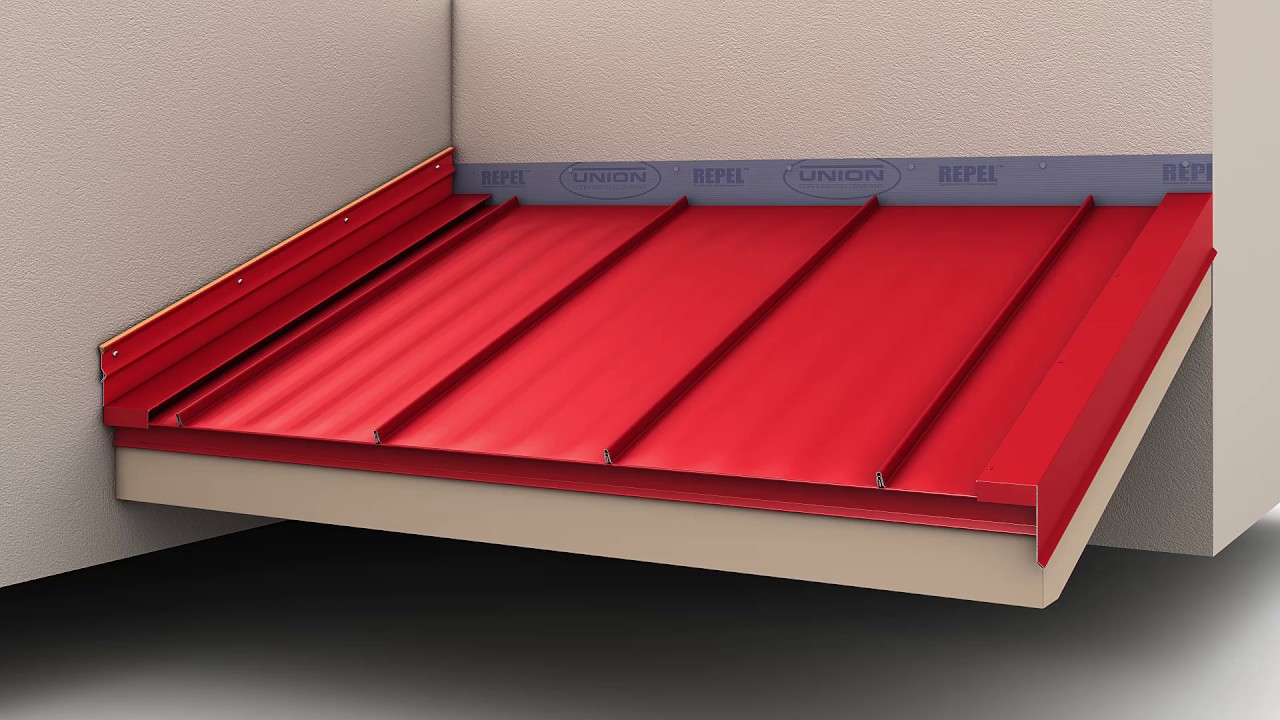
K-12 and Higher Education Facilities work starts with the building's actual use. A port warehouse, a hospital office, a school, a dealership, and an older downtown roof can all need the same membrane name and still require completely different access, phasing, and moisture decisions.
Northwest Ohio's climate delivers a specific set of roofing challenges that sponsors from warmer or drier markets frequently underestimate. Toledo averages significant lake-effect snowfall from Lake Erie, with accumulation events that can deposit heavy, wet snow on flat or low-slope industrial roofs over short periods. Ponded water that freezes at the membrane surface creates ice dams that force water beneath flashings and edge metal, and the freeze-thaw cycling that characterizes Toledo winters from November through March accelerates seam separation and membrane cracking on single-ply systems. A TPO or EPDM roof that passed its last inspection in September can present substantially different conditions by April after a hard Toledo winter - which means that the inspection timing relative to the seasonal calendar matters for a DST due diligence assessment.
The 1031 exchange identification window creates pressure to move quickly on Toledo acquisitions, but rushing a roof inspection in this climate creates real risk. DST sponsors should build roofing due diligence into their earliest timeline planning, scheduling the inspection as soon as the property enters serious consideration rather than waiting until the purchase agreement is signed. An inspection that reveals significant membrane damage, failed seams, or inadequate drainage capacity under snow load conditions can either prompt a price renegotiation or allow the sponsor to make an informed decision to pass on an asset that would create hold-period problems. Both outcomes are preferable to discovering the issue after the 1031 exchange closes and the beneficial interest holders have committed their equity.