Toledo's position as a Great Lakes transportation hub shapes its role in the regional food distribution network, anchoring.
The Great Lakes basin climate that governs Toledo's weather creates cold storage roofing challenges that are distinct from both the humid Southeast and the arid interior West. Lake Erie's influence on Toledo's weather produces significant lake-effect precipitation during winter months - snow events that can deposit heavy, wet snow capable of exceeding standard roof design loads - and the freeze-thaw cycling that characterizes northern Ohio winters creates mechanical stress on roofing assemblies that is more sustained than in continental climates farther south. Cold storage facilities in Toledo must manage not only the vapor challenges universal to refrigerated buildings but the additional freeze-thaw deterioration risks specific to Great Lakes climates.
HACCP compliance for Toledo food distribution facilities requires treating the building envelope as a food safety control point that must be actively managed rather than passively maintained. Sysco's quality standards for its distribution facilities include building maintenance protocols that address moisture infiltration pathways, condensation control, and pest exclusion - all concerns that connect directly to roofing assembly performance. A roof leak in a Toledo cold storage facility during a winter storm is not a maintenance deferral opportunity - it is a food safety event that must be documented, remediated, and reported through the facility's HACCP corrective action process.
Vapor management in Toledo cold storage roofing follows the continental climate pattern, with the dominant vapor drive pushing from the heated, humid exterior toward the cold storage interior during summer months and from the interior toward the cold exterior during the Great Lakes winter. The seasonal reversal of vapor drive direction in Toledo's climate creates a design challenge that requires careful assembly planning: the vapor retarder position that is correct for summer performance may create risk during winter if the assembly is not designed to account for both driving conditions. Cold storage roofing assemblies in Great Lakes climates should be reviewed by designers with specific experience in the region's bi-directional vapor management requirements.
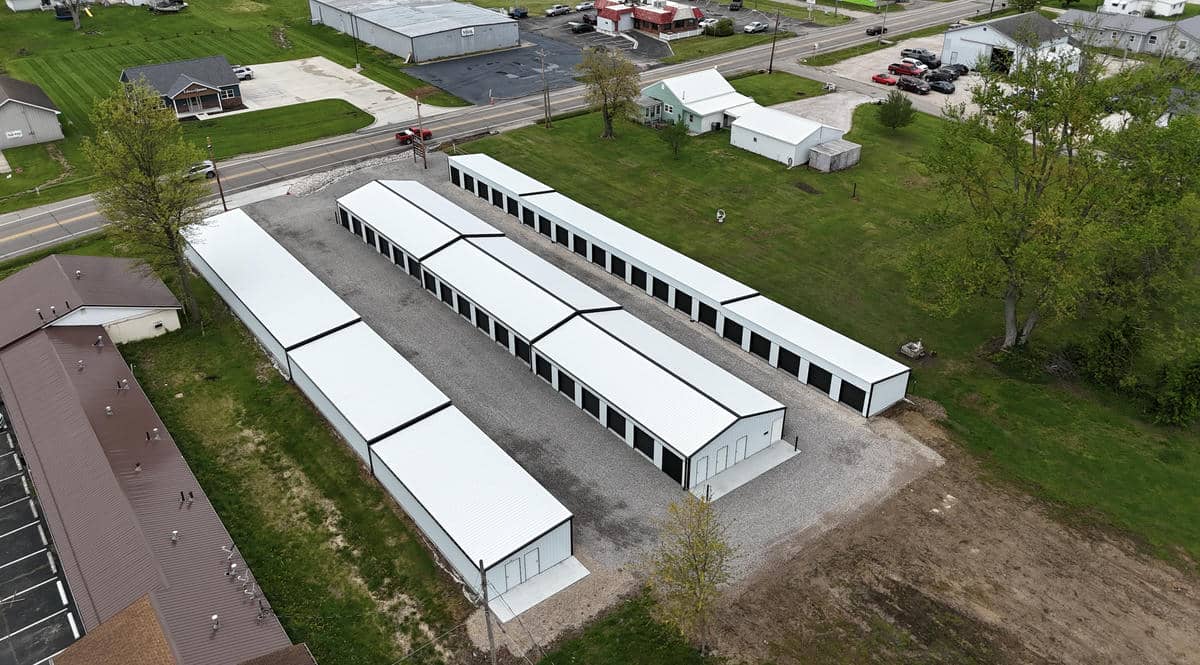
The first useful answer on a commercial real estate and reits project is not a square-foot number. We need to know what the roof protects, how it drains, how it was repaired before, and whether the owner is solving an active leak, a budget problem, or a due-diligence question.
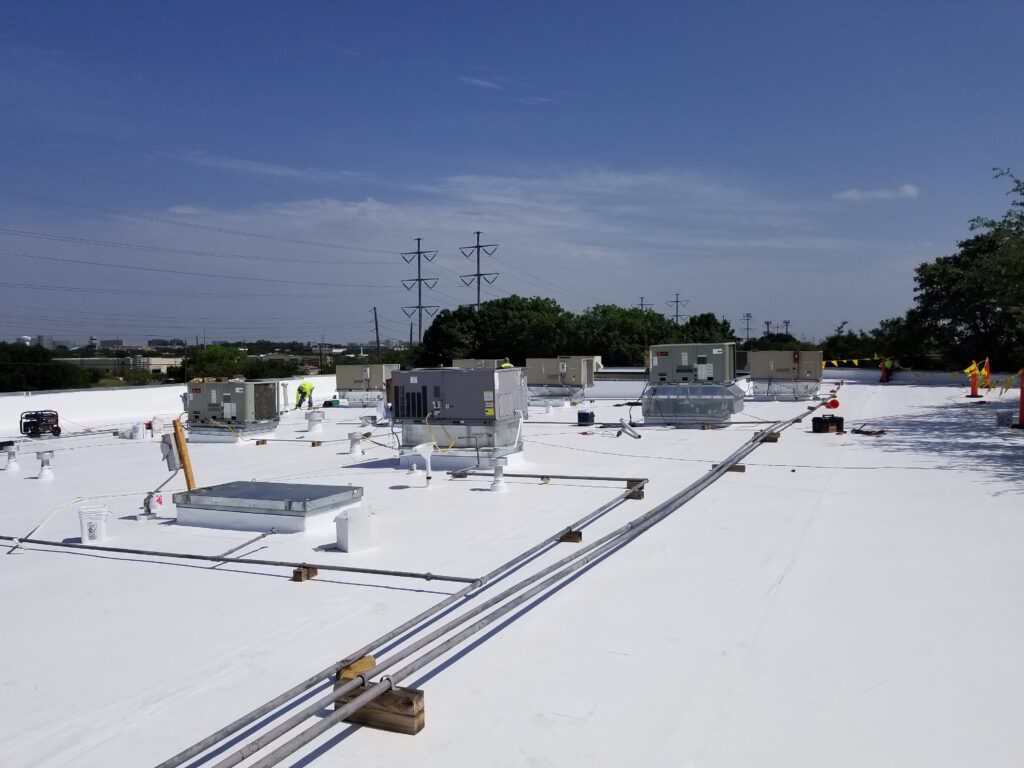
The concentration of industrial and institutional data users in Toledo reflects the city's history as a regional economic hub for manufacturing, energy, and healthcare. These are not hyperscale cloud campuses - they are operational technology environments where the IT infrastructure is deeply integrated with physical production systems, and a roofing failure does not simply create an insurance claim. It can trigger production shutdowns, regulatory reporting obligations, and patient safety concerns that cascade far beyond the immediate property damage.
Delaware Statutory Trust sponsors acquiring industrial and commercial assets in the Toledo market are navigating a Midwest economic corridor that has attracted meaningful 1031 exchange capital over the past several years. Toledo's position at the intersection of major Great Lakes shipping routes and interstate logistics networks has kept industrial occupancy strong, and DST sponsors have been active in assembling NNN industrial portfolios, manufacturing-adjacent warehouse facilities, and neighborhood retail strips led by necessity-based tenants. In each category, the roof is the building component most likely to affect distribution continuity if it fails, and a pre-acquisition inspection calibrated to the Toledo climate and building stock is the essential first step in responsible DST underwriting.
The Great Lakes basin climate that governs Toledo's weather creates cold storage roofing challenges that are distinct from both the humid Southeast and the arid interior West. Lake Erie's influence on Toledo's weather produces significant lake-effect precipitation during winter months - snow events that can deposit heavy, wet snow capable of exceeding standard roof design loads - and the freeze-thaw cycling that characterizes northern Ohio winters creates mechanical stress on roofing assemblies that is more sustained than in continental climates farther south. Cold storage facilities in Toledo must manage not only the vapor challenges universal to refrigerated buildings but the additional freeze-thaw deterioration risks specific to Great Lakes climates.
HACCP compliance for Toledo food distribution facilities requires treating the building envelope as a food safety control point that must be actively managed rather than passively maintained. Sysco's quality standards for its distribution facilities include building maintenance protocols that address moisture infiltration pathways, condensation control, and pest exclusion - all concerns that connect directly to roofing assembly performance. A roof leak in a Toledo cold storage facility during a winter storm is not a maintenance deferral opportunity - it is a food safety event that must be documented, remediated, and reported through the facility's HACCP corrective action process.