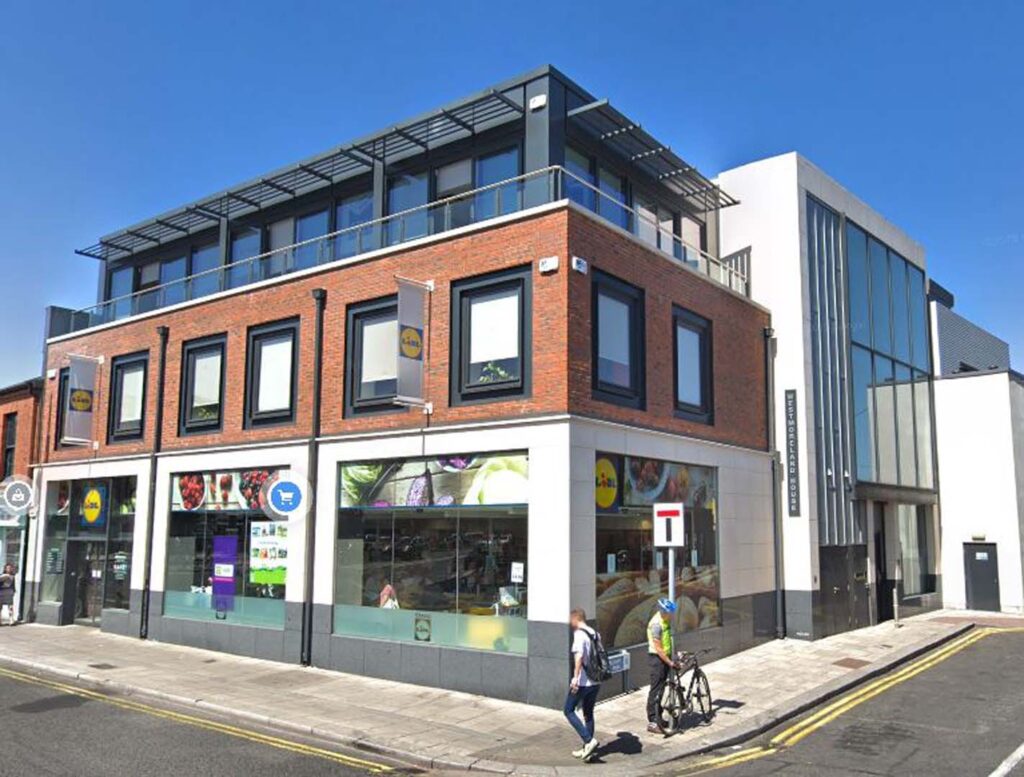
Welltower, the healthcare-focused REIT headquartered in Toledo, Ohio, manages a significant portfolio of senior housing and medical outpatient.
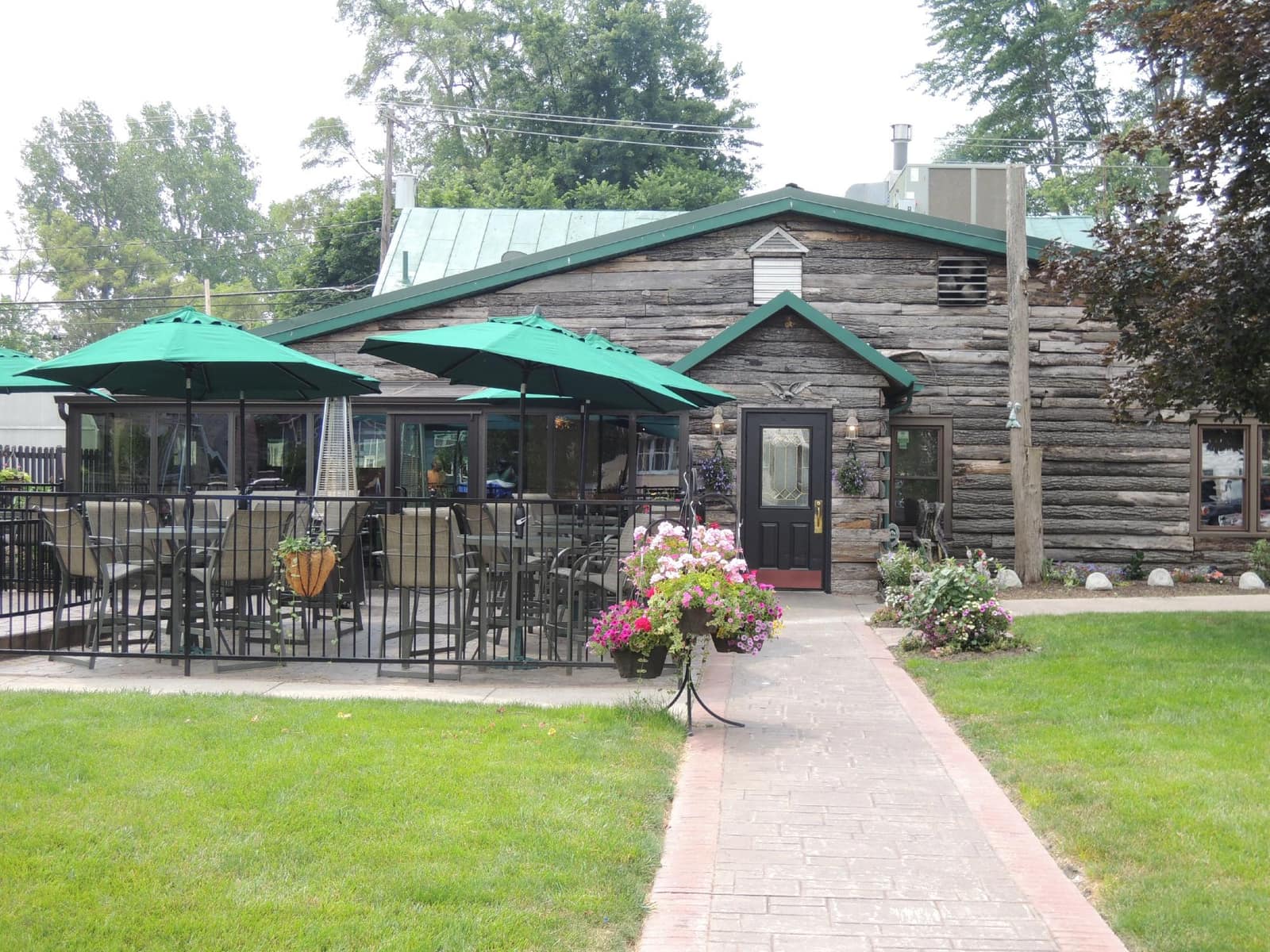
Toledo's Great Lakes climate is among the most demanding in the Midwest for commercial roofing systems. The city sits at the western end of Lake Erie's snow belt, receiving average annual snowfall exceeding 40 inches and experiencing freeze-thaw cycles that can occur 50 or more times between November and March. Every freeze-thaw event stresses membrane seams, drives moisture deeper into any existing wet insulation, and works ice dams along parapet walls and at drain crickets. For low-slope roofs carrying 15-year-old or older single-ply membranes, the cumulative fatigue from Toledo's winters shortens remaining useful life projections significantly relative to roofs in warmer markets with comparable surface condition scores.
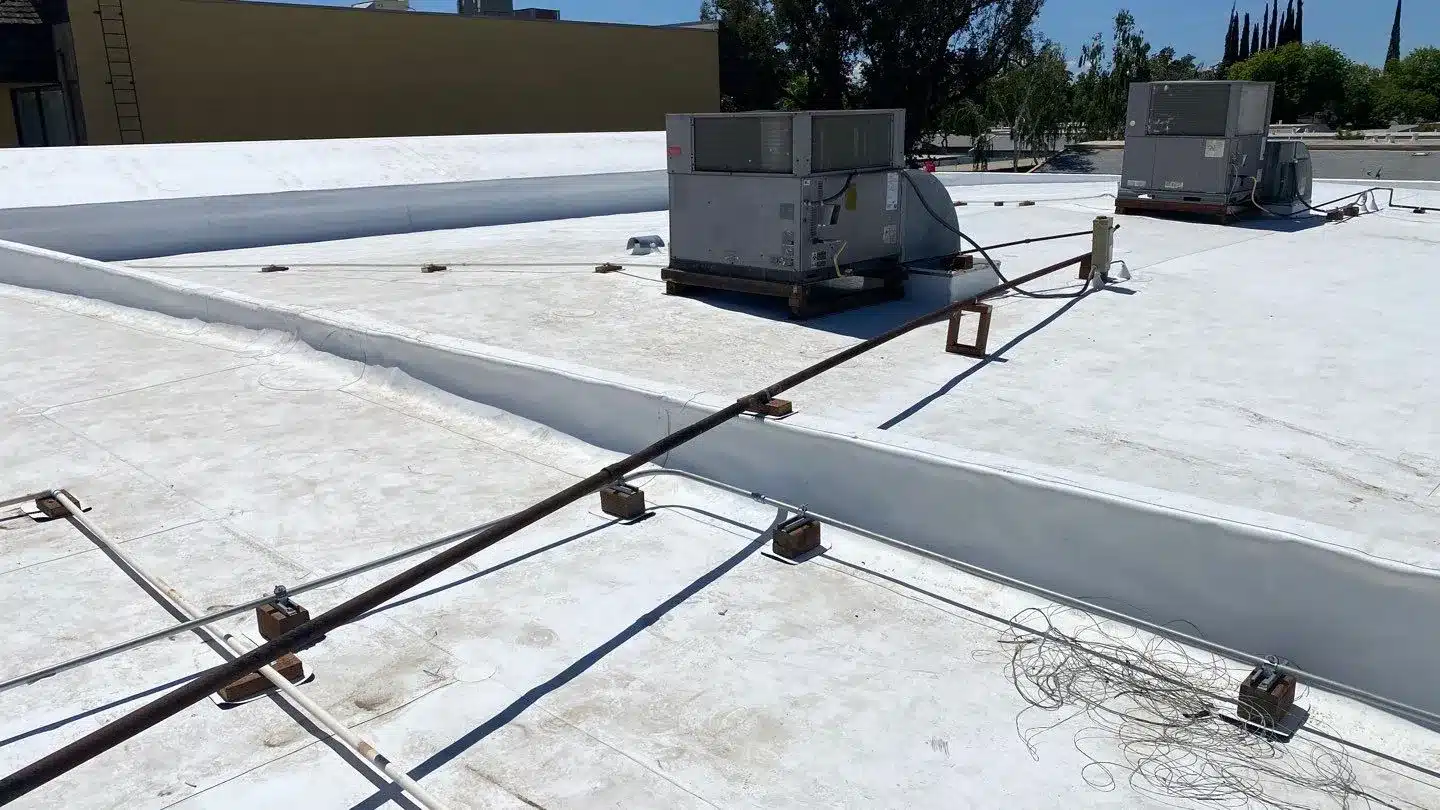
Roof condition directly affects NOI across Toledo's commercial REIT portfolios in ways that are both financial and operational. A healthcare property where a ceiling tile drops in a patient room creates immediate regulatory exposure under state health department inspection protocols. For retail or office assets, a significant interior water damage event typically triggers business interruption considerations and landlord liability discussions that extend well beyond the direct repair cost. REIT asset managers who conduct annual post-winter inspections - specifically targeting seam conditions, drain performance, and ponding after snow melt - identify deterioration before it crosses the threshold into active interior damage.
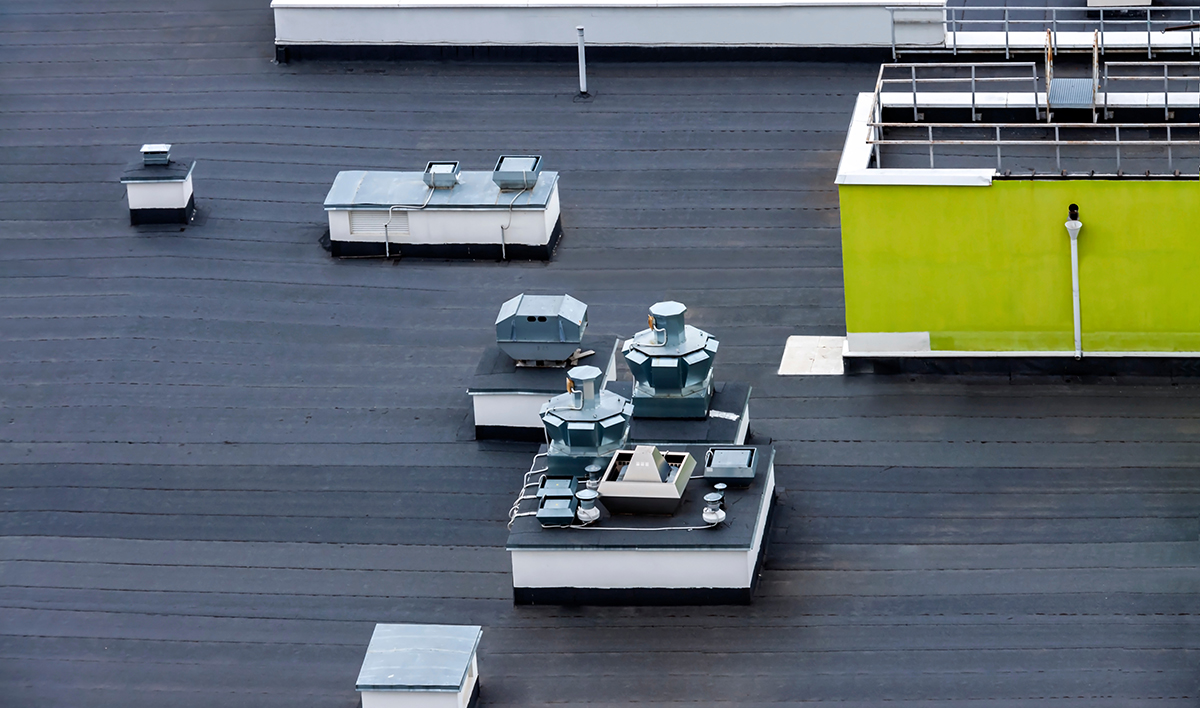
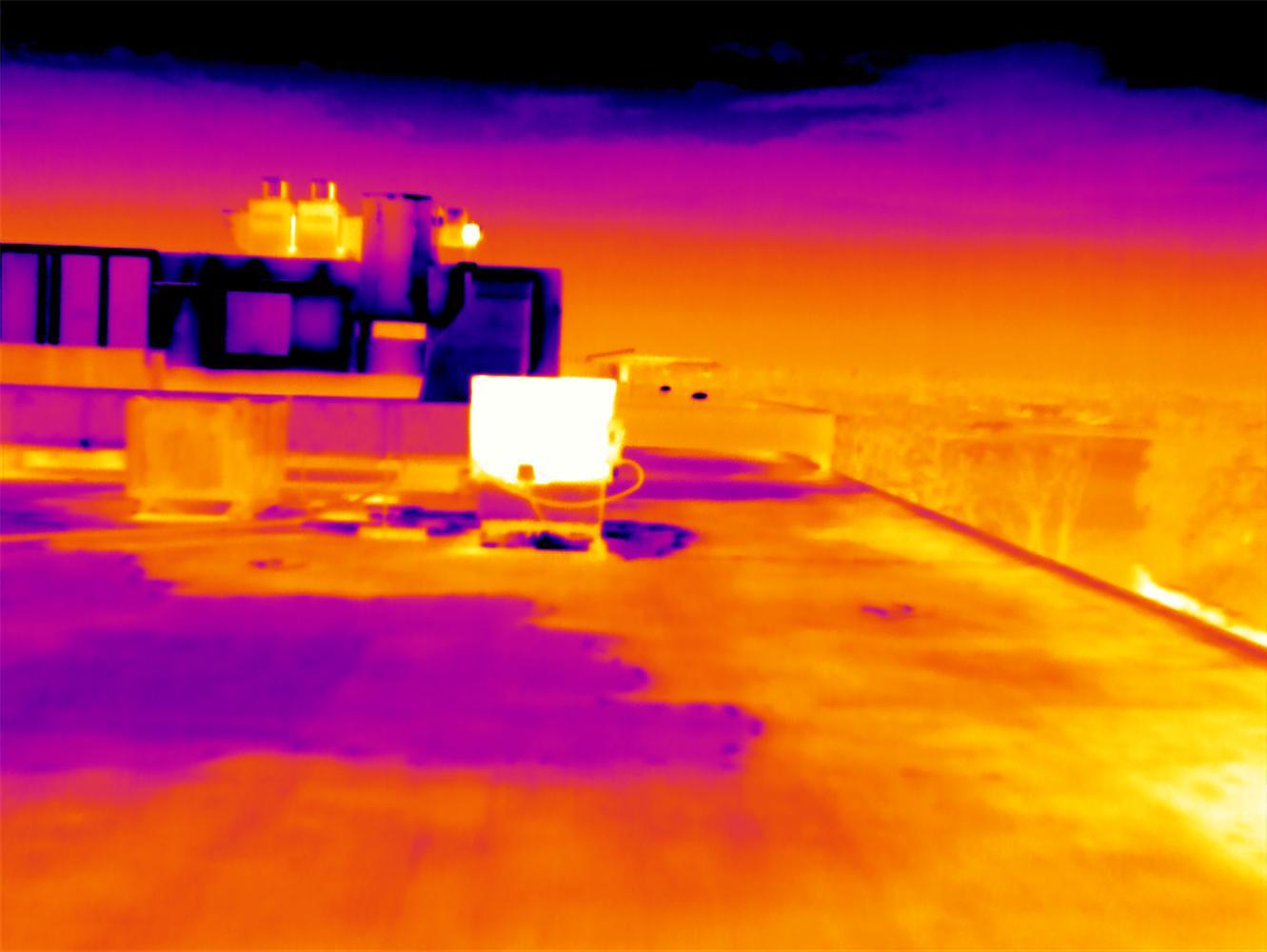
Property condition assessments in Toledo must account for the cumulative moisture loading unique to the Great Lakes climate. PCAs performed in spring, after the frost season, consistently reveal wet insulation in sections that appeared sound during a fall inspection. Core sampling at a density of one sample per 5,000 to 8,000 square feet of roof area - rather than the one-per-10,000 standard used in drier markets - is advisable for Toledo acquisitions. Infrared moisture surveys should be scheduled for clear evenings in late spring or early fall, when the temperature differential between wet insulation and dry field membrane is sufficient to produce reliable thermal contrast on the scan.
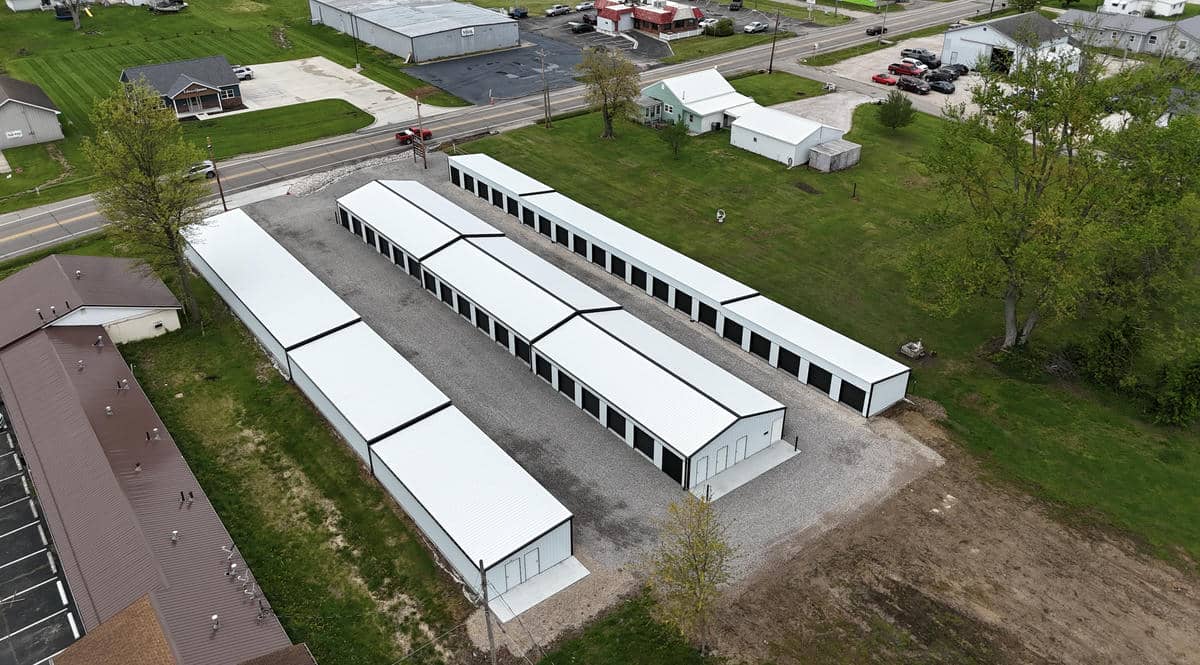
The first useful answer on a commercial real estate and reits project is not a square-foot number. We need to know what the roof protects, how it drains, how it was repaired before, and whether the owner is solving an active leak, a budget problem, or a due-diligence question.
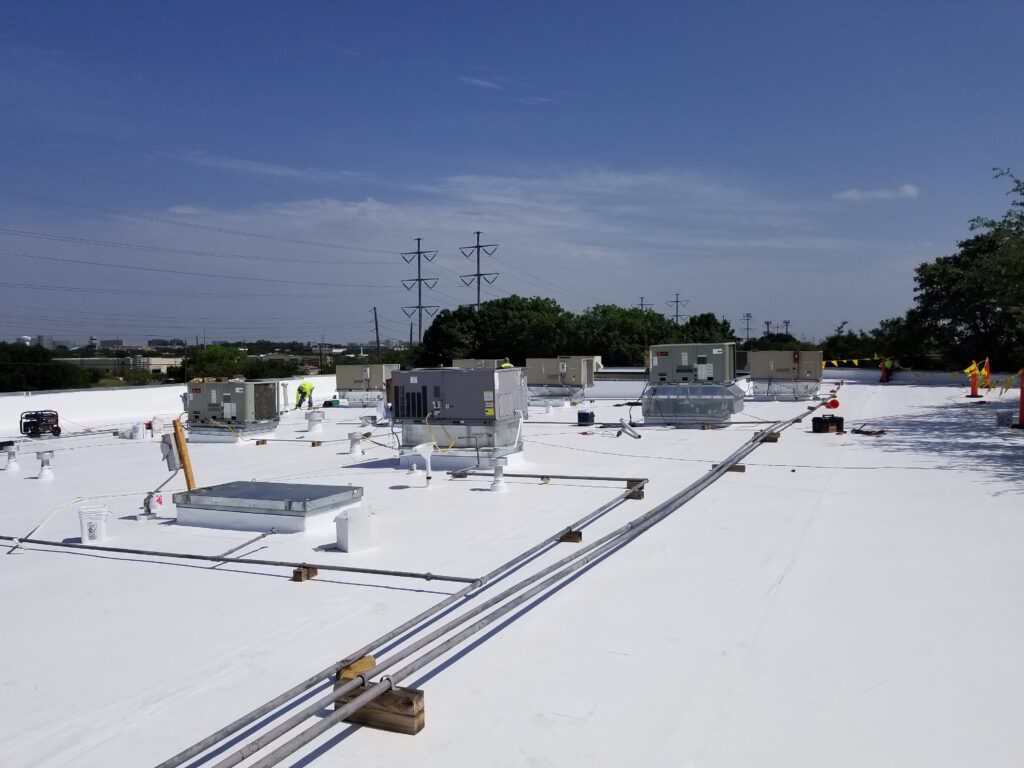
The concentration of industrial and institutional data users in Toledo reflects the city's history as a regional economic hub for manufacturing, energy, and healthcare. These are not hyperscale cloud campuses - they are operational technology environments where the IT infrastructure is deeply integrated with physical production systems, and a roofing failure does not simply create an insurance claim. It can trigger production shutdowns, regulatory reporting obligations, and patient safety concerns that cascade far beyond the immediate property damage.
Delaware Statutory Trust sponsors acquiring industrial and commercial assets in the Toledo market are navigating a Midwest economic corridor that has attracted meaningful 1031 exchange capital over the past several years. Toledo's position at the intersection of major Great Lakes shipping routes and interstate logistics networks has kept industrial occupancy strong, and DST sponsors have been active in assembling NNN industrial portfolios, manufacturing-adjacent warehouse facilities, and neighborhood retail strips led by necessity-based tenants. In each category, the roof is the building component most likely to affect distribution continuity if it fails, and a pre-acquisition inspection calibrated to the Toledo climate and building stock is the essential first step in responsible DST underwriting.
Toledo's Great Lakes climate is among the most demanding in the Midwest for commercial roofing systems. The city sits at the western end of Lake Erie's snow belt, receiving average annual snowfall exceeding 40 inches and experiencing freeze-thaw cycles that can occur 50 or more times between November and March. Every freeze-thaw event stresses membrane seams, drives moisture deeper into any existing wet insulation, and works ice dams along parapet walls and at drain crickets. For low-slope roofs carrying 15-year-old or older single-ply membranes, the cumulative fatigue from Toledo's winters shortens remaining useful life projections significantly relative to roofs in warmer markets with comparable surface condition scores.
Roof condition directly affects NOI across Toledo's commercial REIT portfolios in ways that are both financial and operational. A healthcare property where a ceiling tile drops in a patient room creates immediate regulatory exposure under state health department inspection protocols. For retail or office assets, a significant interior water damage event typically triggers business interruption considerations and landlord liability discussions that extend well beyond the direct repair cost. REIT asset managers who conduct annual post-winter inspections - specifically targeting seam conditions, drain performance, and ponding after snow melt - identify deterioration before it crosses the threshold into active interior damage.